
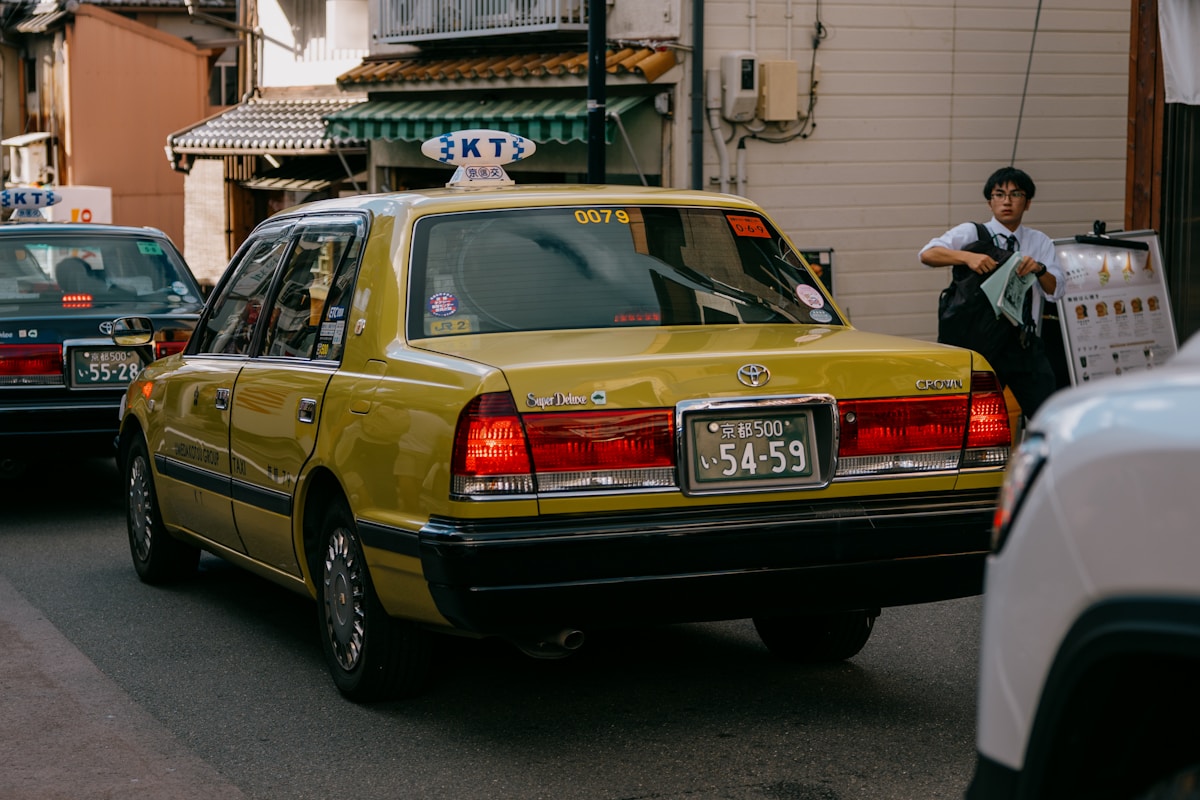
Introduction to Kyoto’s Cultural Heritage
Kyoto, the ancient capital of Japan, is a city steeped in history and tradition. Renowned for its classical Buddhist temples, as well as gardens, imperial palaces, Shinto shrines, and traditional wooden houses, Kyoto offers a unique glimpse into Japan’s rich cultural tapestry. This blog post will guide you through the cultural wonders of Kyoto, highlighting its historical significance and the beauty that continues to inspire travelers from around the world.
Historical Significance of Kyoto
Founded in 794 as the capital of Japan, Kyoto served as the heart of Japanese culture for over a millennium. It was the center of politics, economics, and religion, and many of its traditions still thrive today. Here are some key historical points:
- Imperial Capital: Kyoto was the imperial capital of Japan for over 1,000 years, until the capital was moved to Tokyo in 1868.
- Buddhism and Shintoism: The city is home to numerous temples and shrines, showcasing the deep-rooted spiritual traditions of Japan.
- Preservation of Culture: Unlike many other Japanese cities, Kyoto was spared from destruction during World War II, allowing its historical sites to remain intact.
Must-Visit Temples and Shrines
Kyoto boasts an impressive array of temples and shrines, each with its own unique story and architectural style. Here are a few that should not be missed:
Kinkaku-ji (Golden Pavilion)
Kinkaku-ji is one of the most iconic landmarks in Kyoto. This Zen Buddhist temple is famous for its stunning golden exterior and beautiful surrounding gardens.
- History: Originally built as a retirement villa for shogun Ashikaga Yoshimitsu in the 14th century.
- Architecture: The top two floors are completely covered in gold leaf, reflecting beautifully in the pond below.
- Visiting Tips: Best visited in spring or autumn for stunning seasonal colors.
Fushimi Inari Taisha
This Shinto shrine is famous for its thousands of vermillion torii gates that create stunning pathways up the sacred Mount Inari.
- Symbolism: The torii gates are donations from individuals and businesses, symbolizing prosperity and success.
- Hiking: The trails lead to the summit of Mount Inari, offering breathtaking views of the city.
- Best Time to Visit: Early morning or late afternoon to avoid crowds and enjoy the serene atmosphere.
Vibrant Gardens and Natural Beauty
Kyoto is not only known for its temples but also for its beautifully landscaped gardens that reflect the changing seasons.
Arashiyama Bamboo Grove
The Arashiyama Bamboo Grove is a mesmerizing forest of towering bamboo stalks that sway gently in the wind.
- Experience: Walking through the grove feels like stepping into another world, with only the sounds of rustling bamboo.
- Photography: Ideal for photographers looking to capture the ethereal beauty of nature.
- Nearby Attractions: Don’t miss the nearby Iwatayama Monkey Park for a fun day out.
Kiyomizu-dera
Kiyomizu-dera is a historic temple known for its wooden stage that juts out over the hillside, offering stunning views of cherry and maple trees.
- Historical Importance: Founded in 778, it is one of the most celebrated temples in Japan.
- Seasonal Beauty: The temple is particularly beautiful in spring and autumn when the surrounding trees are in full bloom or vibrant fall colors.
- Cultural Events: The temple hosts various festivals and events throughout the year, showcasing traditional Japanese culture.
Culinary Delights of Kyoto
No visit to Kyoto is complete without indulging in its culinary offerings. The city is famous for its kaiseki dining, a traditional multi-course meal that highlights seasonal ingredients.
- Kaiseki Ryori: A refined dining experience that emphasizes presentation and seasonal flavors.
- Yudofu: A simple yet delicious dish made from tofu, often enjoyed in the serene atmosphere of a temple.
- Matcha: Kyoto is known for its high-quality green tea, and visitors should try matcha-flavored sweets and drinks.
Conclusion: A Journey Through Time
Kyoto is a city that beautifully marries the past with the present, offering a wealth of cultural experiences that resonate with every traveler. From its ancient temples and serene gardens to its culinary delights, Kyoto invites you to immerse yourself in its rich traditions and breathtaking beauty. Whether you are a history buff, a nature lover, or a food enthusiast, Kyoto promises an unforgettable journey through time.